Ever taken a sip of coffee and wondered how that deep, complex flavor made its way into your cup? It didn’t start at the café, or even at the roaster. Long before it was ground and brewed, it was growing quietly on a mountainside, wrapped in layers of fruit and nurtured by sun, soil, and sweat. Welcome to the beginning of the coffee journey—from seed to harvest, the true birth of the bean.

What Is a Coffee Cherry?
Let’s start with a simple truth that surprises many: coffee is a fruit.
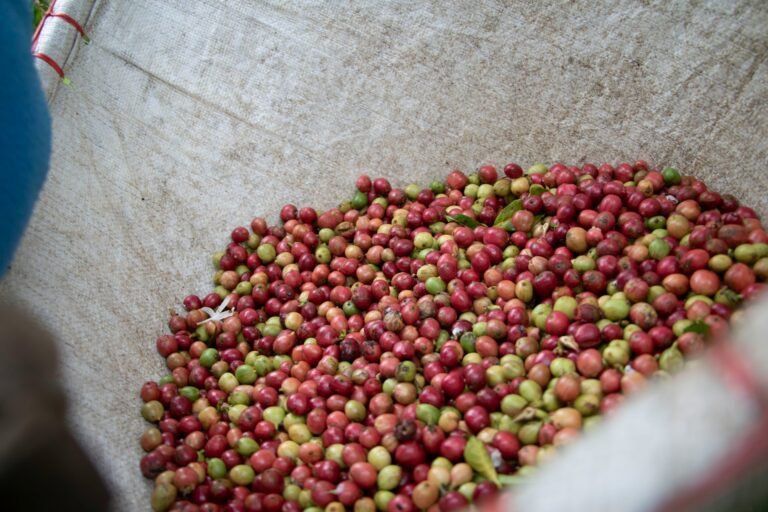
Yes, that morning cup of yours comes from a bright red (sometimes yellow or orange) cherry. Inside that cherry is a seed—or more often, two seeds—which, after quite a transformation, becomes the coffee bean we know and love.
The anatomy of a coffee cherry includes multiple layers:
- Skin (exocarp) – The colorful outer shell.
- Pulp (mesocarp) – The juicy middle layer.
- Mucilage – A sticky, sugary coating that clings to the seeds.
- Parchment (endocarp) – A protective paper-like layer.
- Silverskin – A thin membrane wrapped around the bean.
- Seed (bean) – The future brew.
These layers are important. They don’t just protect the bean—they influence flavor, depending on how they’re removed during processing (we’ll get to that later).
But how does the seed get there in the first place?
The coffee plant starts from a single seed—a green bean planted in a shaded nursery. With time and care, it becomes a bushy shrub that takes 3 to 4 years to produce cherries. Patience is key in the coffee world.
Coffee Plant Origins and Varieties
Coffee’s roots trace back to Ethiopia, where legend tells of a goat herder named Kaldi who discovered the plant’s stimulating effects. From there, it spread through Arabia, Asia, and the Americas, evolving into the diverse crop we know today.
There are over 100 species of coffee, but two dominate the global scene: Arabica (Coffea arabica) and Robusta (Coffea canephora).
- Arabica is the darling of specialty coffee. It grows at higher altitudes, has a delicate, complex flavor, and represents about 60-70% of global production. But it’s fussy—more prone to disease and less tolerant of heat.
- Robusta is hardier and grows at lower altitudes. It packs more caffeine and a stronger, sometimes bitter flavor. It’s commonly used in instant coffee and commercial blends.
Then there’s the distinction between specialty and commodity coffee beans.
Specialty coffee is like artisan bread—grown with care, picked with precision, and scored for quality. Commodity coffee is mass-produced, prioritizing volume over flavor. Both play roles in the global coffee economy, but if you’re chasing flavor and traceability, specialty is where it’s at.
Growing Conditions: The Taste of Place
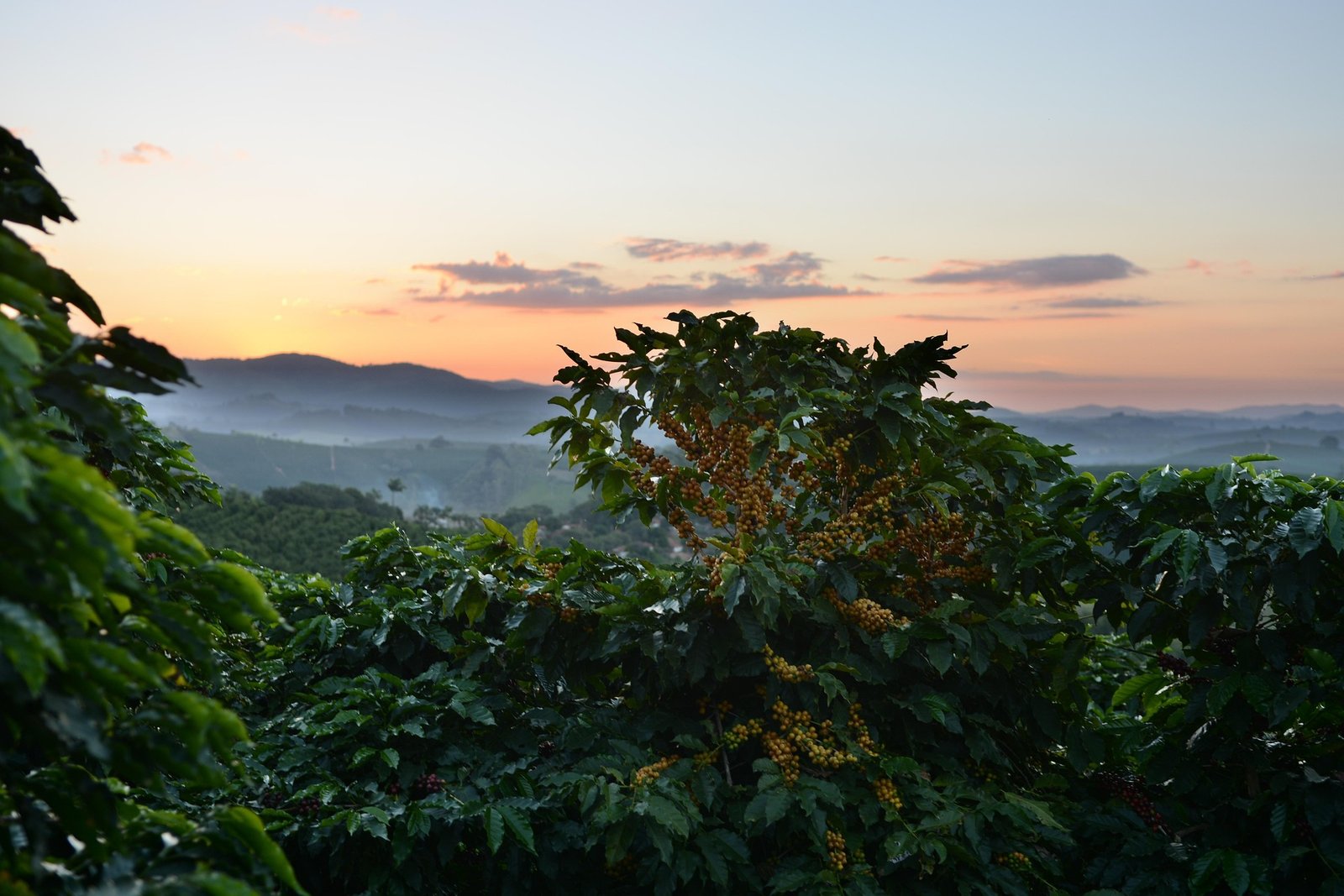
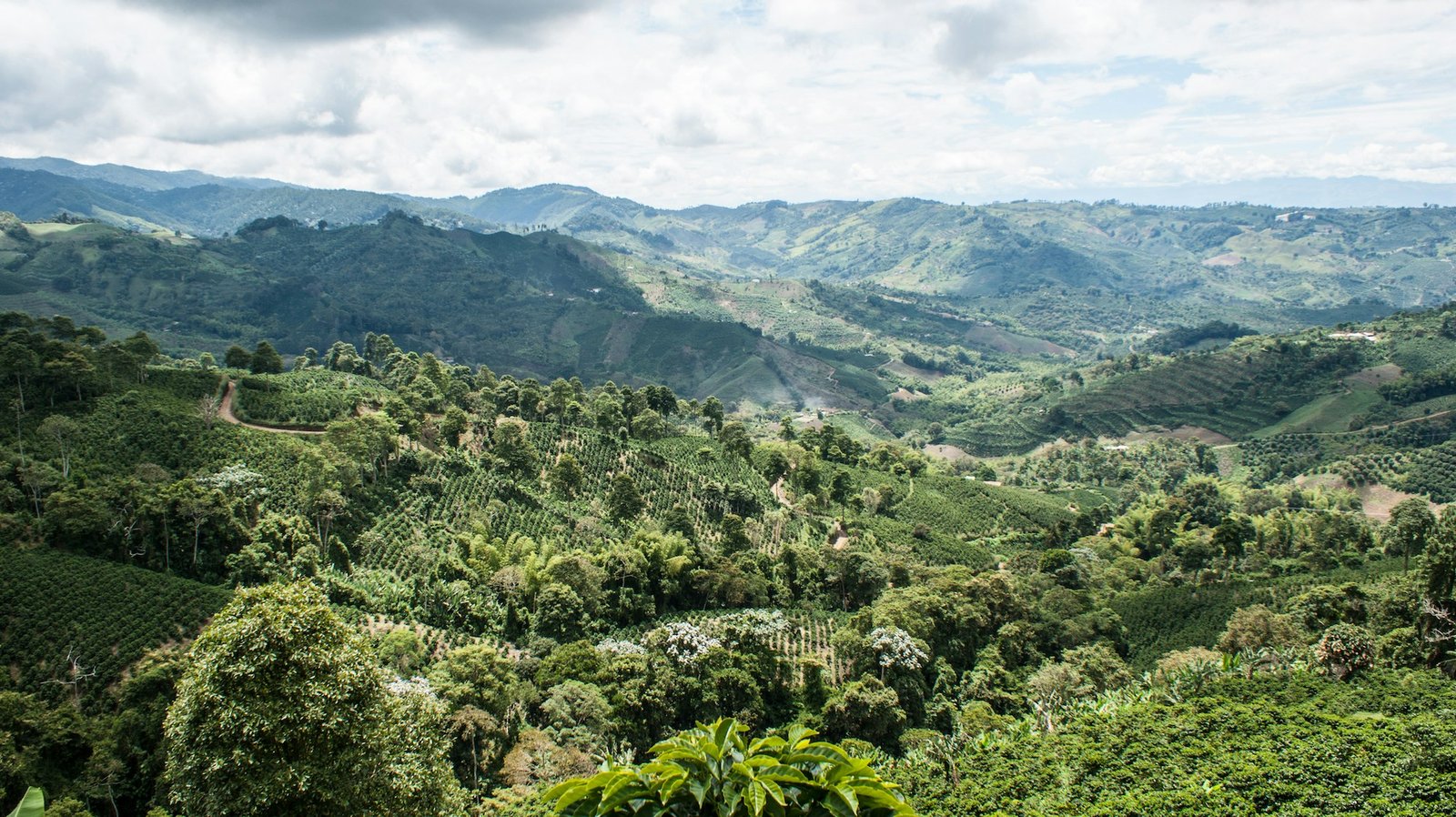
Just like wine, a coffee cherry is heavily influenced by terroir—a French term meaning “sense of place.” It’s the combination of altitude, soil, climate, and rainfall that shapes how a coffee tastes.
- Altitude is a big one. Higher elevations mean cooler temperatures, which slow down choffee cherry ripening. This gives beans more time to develop sugars and complexity. Think floral Ethiopian or crisp Guatemalan coffees.
- Soil rich in nutrients (often volcanic) adds depth and character. That’s why regions like Kenya and Colombia are prized.
- Climate matters too. Stable rainfall, mild temperatures, and a distinct wet and dry season provide the perfect growing rhythm.
Here’s a glance at some famous regions and their general flavor profiles:
| Region | Flavor Notes |
| Ethiopia | Floral, citrus, tea-like |
| Colombia | Balanced, nutty, chocolatey |
| Kenya | Bright, fruity, winey |
| Brazil | Nutty, low-acid, chocolate tones |
| Guatemala | Cocoa, spice, stone fruit |
| Indonesia | Earthy, full-bodied, herbal |
Of course, these are generalizations. Microclimates can shift flavors dramatically, which makes coffee hunting so exciting.
Harvesting Methods: A Game of Timing
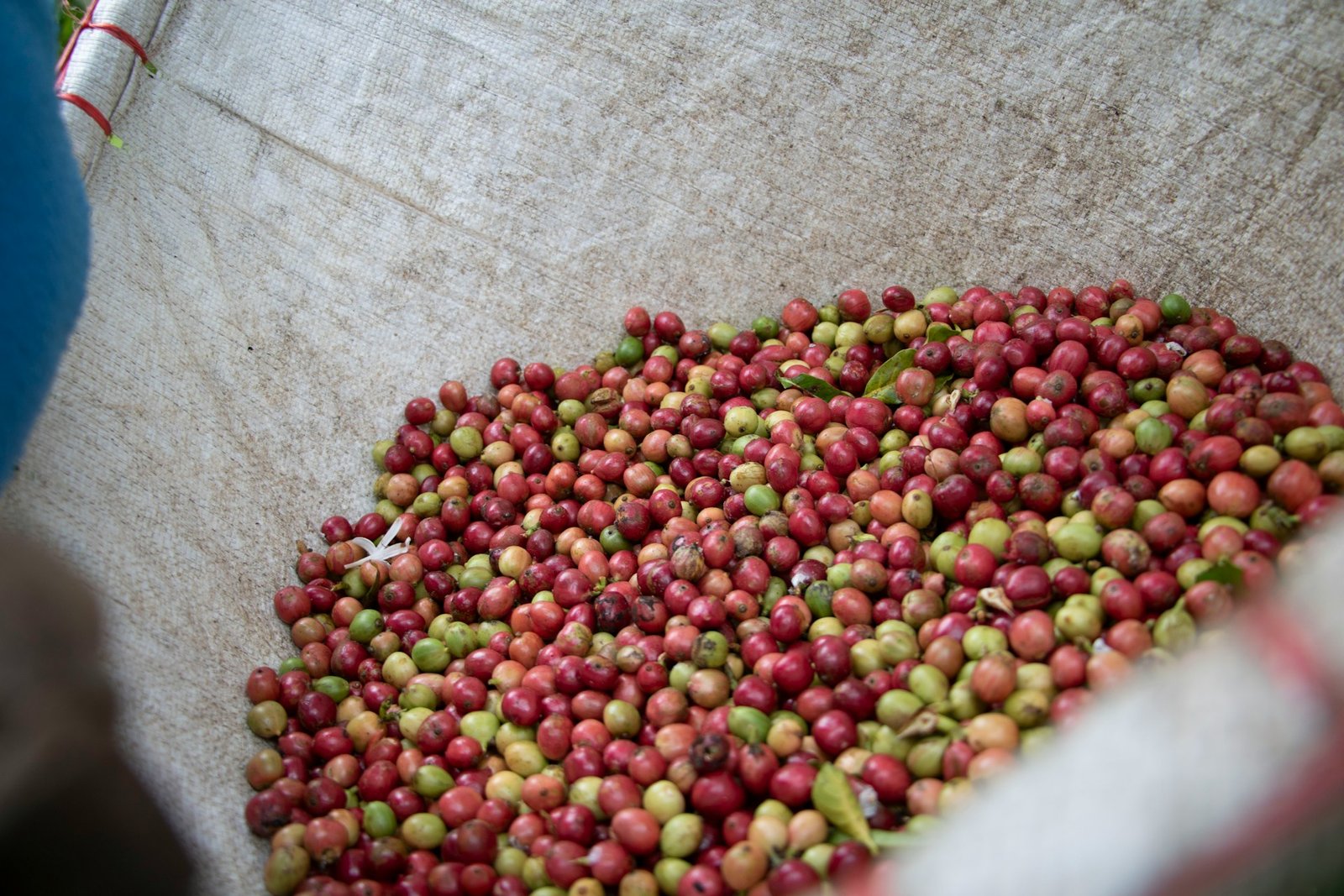
Once the cherries are ripe, it’s time to harvest. But here’s the tricky part: not all cherries ripen at the same time. This is where quality and labor come into play.
There are two main harvesting methods:
- Hand-picking – Labor-intensive but precise. Workers only pick the ripest cherries, often returning to the same plant multiple times over a season. This is the method of choice for specialty coffee beans and high-elevation farms.
- Mechanical harvesting – Faster but less selective. Machines shake the trees and collect everything—ripe, unripe, and overripe cherries alike. This method suits flatter land and larger farms but often sacrifices quality.
Ripeness is key. Imagine biting into a green banana vs. a perfectly ripe one. The same goes for coffee beans. Overripe cherries can ferment and ruin the batch; underripe ones add astringency. Picking at just the right moment can mean the difference between a dull brew and an award-winning cup.
Processing Methods: Flavor in the Making
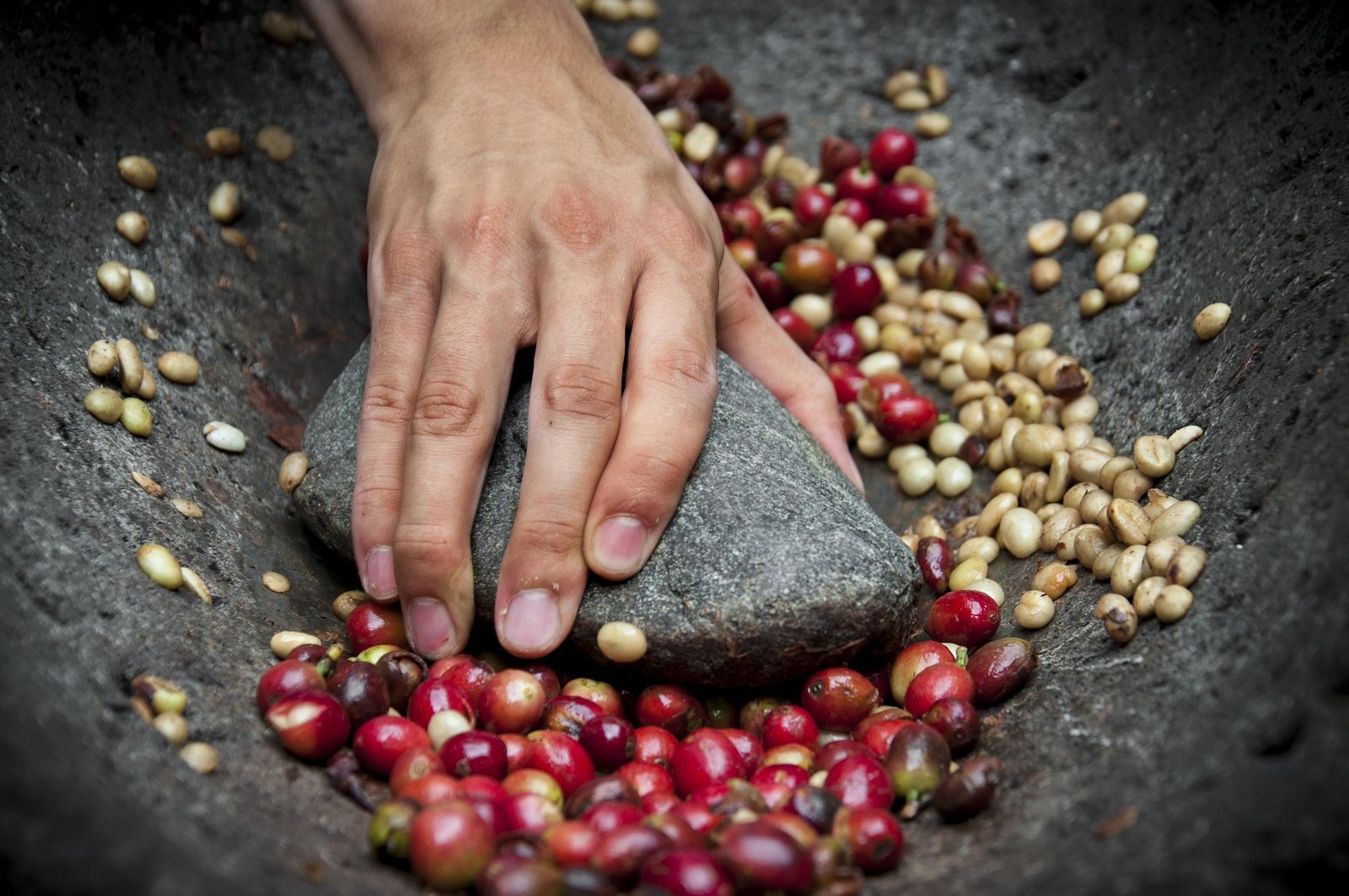
Once picked, cherries must be processed quickly—ideally within 24 hours—to avoid spoilage. Processing determines how the outer layers are removed and how the bean is dried.
There are three main methods, each with distinct effects on taste:
- Washed (or wet) – The pulp and mucilage are removed with water, leaving a “clean” bean. This method highlights clarity, acidity, and brightness in flavor. Common in Latin America and parts of Africa.
- Natural (or dry) – Whole cherries are dried in the sun with all their layers intact. This process can take weeks and requires constant turning. It yields sweet, fruity, full-bodied coffees, often seen in Ethiopia and Brazil.
- Honey (or pulped natural) – Somewhere in between. The skin is removed, but mucilage is left on during drying. Results are juicy, sweet, and complex, popular in Costa Rica and El Salvador.
Processing is like seasoning food. The same ingredients can taste wildly different depending on how they’re handled.
Exporting Green Coffee beans: From Origin to Roaster
After drying, the beans are hulled to remove any remaining parchment and silverskin. What remains is a green, raw coffee bean—dense, grassy-smelling, and far from drinkable.
Before export, beans are graded based on size, weight, moisture, and the number of defects. Specialty-grade beans must meet strict criteria—typically fewer than five defects per 300 grams.
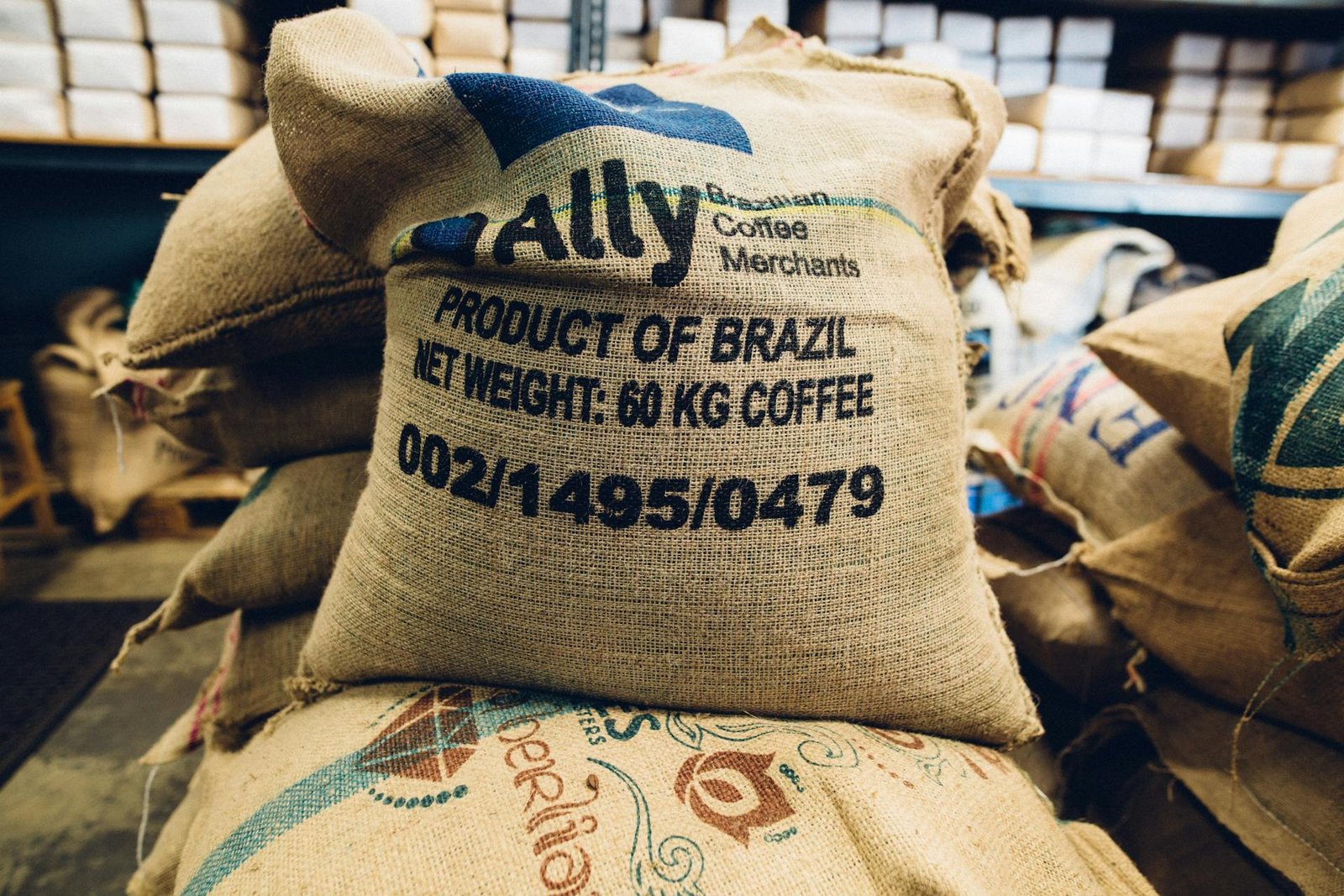
Then comes packing. Most beans are shipped in 60-kg jute or burlap bags, often lined with plastic for moisture control. In some cases, vacuum-sealed GrainPro bags are used to preserve freshness.
From here, beans are shipped around the world, passing through importers, brokers, and eventually landing in the hands of roasters. Each stage requires care to maintain quality. A bean can spend months in transit, and poor storage can undo years of hard work at the farm.
Sidebar: Sustainable Farming and Direct Trade
Behind every great cup of coffee is a farmer—often in a developing country, working hard for slim margins. This is where our choices as consumers matter.
Sustainable farming practices—like shade-growing, composting, and organic methods—protect the environment and improve long-term yields. But they also cost more.
Enter direct trade: a model where roasters buy directly from farmers, often paying well above market price. This cuts out middlemen and ensures more of your coffee dollar reaches the people who grew it.
When you support coffee with traceability and transparency, you’re not just buying better flavor—you’re investing in a more just and sustainable coffee future.
We’ll dive deeper into these topics in a later post. For now, just remember: your choices have power—even in something as simple as your morning cup.
There is so much more to the story when it comes to farming. Unfortunately, it’s not all sunshine and rainbows, but there are people out there making a real difference. The difficulty is finding them so that we and coffee drinkers, and show them our support. If you are interested, I encourage you to dig a little deeper, past the flashy corporate marketing. Not only will you discover more about coffee beans, but it will also grow your appreciation for the whole process of making your cup at home.
From Here to Flavor: What’s Next?
By the time green beans reach a roaster, they’ve already traveled a long and complex path—from a tiny seed in a mountain nursery to a tightly packed sack on a ship bound for distant shores.
But they’re not coffee yet.
Next time, we’ll explore how roasters use heat, time, and a good dose of intuition to unlock the hidden flavors inside every bean. If farming is the birth of coffee, roasting is its coming of age.
Stay tuned for Part 2: From Green to Brown – Roasting and Unlocking Flavor.
Summary: The Birth of a Coffee Bean
- Coffee is a fruit; the bean is the seed inside a cherry.
- Arabica and Robusta are the two main species, each with unique qualities.
- Altitude, climate, and soil deeply influence flavor.
- Hand-picking yields higher quality, while mechanical methods suit large farms.
- Processing methods (washed, natural, honey) shape the final taste.
- Beans are graded and shipped globally in raw form.
- Sustainable and direct trade models support better farming and livelihoods.
FAQs: From Seed to Harvest
1. What’s the difference between Arabica and Robusta coffee beans?
Arabica beans have a smoother, more nuanced flavor with less caffeine. Robusta is stronger, more bitter, and higher in caffeine. Arabica is often preferred in specialty coffee. If you have your coffee ready and not sure how to make it at home see How-To-Make-Great-Coffee-At-Home
2. Why does altitude matter when growing coffee?
Higher altitudes slow the cherry’s growth, allowing more time for sugars and flavors to develop. This results in more complex and desirable flavor profiles.
3. How does the processing method affect the taste of coffee?
Washed coffee is cleaner and brighter; natural coffee is fruitier and heavier; honey-processed coffee blends both with a sweet, syrupy body.
4. What does “green coffee” mean?
Green coffee refers to unroasted coffee beans. They’re raw, dense, and have not yet developed the flavors associated with roasted coffee.
5. How can I support sustainable coffee farming?
This is a tough one, but start by looking for beans labeled as direct trade, organic, or fair trade. Buy from roasters who share sourcing transparency and invest in farmer relationships.
Let this be your first step deeper into the world of coffee. The next time you take a sip, remember—you’re tasting the result of nature, nurture, and thousands of careful hands, all working together to bring a tiny seed to life.
And the journey? It’s just getting started.