Filter Coffee Vs Immersion Coffee: Which is best?
Filter coffee and Immersion coffee have been a point of confusion for me and even some professional baristas. There are usually a few seconds of contemplation when I ask for either of these coffees. Most commonly I’ve found that when I ask for a “filter coffee”, I get answered with “Do you mean a percolation coffee machine?”. I’ll then politely ask for a manually poured filter coffee and I’ll get corrected a second time “Oh, so you want a pour-over.”
After doing some research into this, the frustrating thing that I found was that none of us were technically wrong.
I don’t blame any of the baristas. Most cafe owners will spend 95% of the training on the espresso machine, nailing the grind and perfectly frothed milk. So to limit those awkward interactions I make most of my coffee at home.
Let’s break down two of the most popular techniques used at home: filter coffee and immersion coffee.
What is Filter Coffee?
Filter coffee involves pouring hot water over coffee grounds, allowing gravity to do the work. This is the definition of the word “percolation”. The water passes through the grounds and a filter, extracting flavors along the way. This method is known for producing a clean, crisp cup with distinct flavor notes.
Popular Filter Coffee Techniques – Pour-Over
1. Hario V60
The Hario V60 is a favorite among coffee aficionados. Its conical shape and spiral ridges allow for precise control over the brewing process, making it ideal for those who love experimenting with grind size and pouring techniques.
2. Kalita Wave
The Kalita Wave stands out with its flat-bottomed dripper, which promotes even extraction and a consistent brew. It’s great for highlighting the nuanced flavors of high-quality beans.
3. Chemex
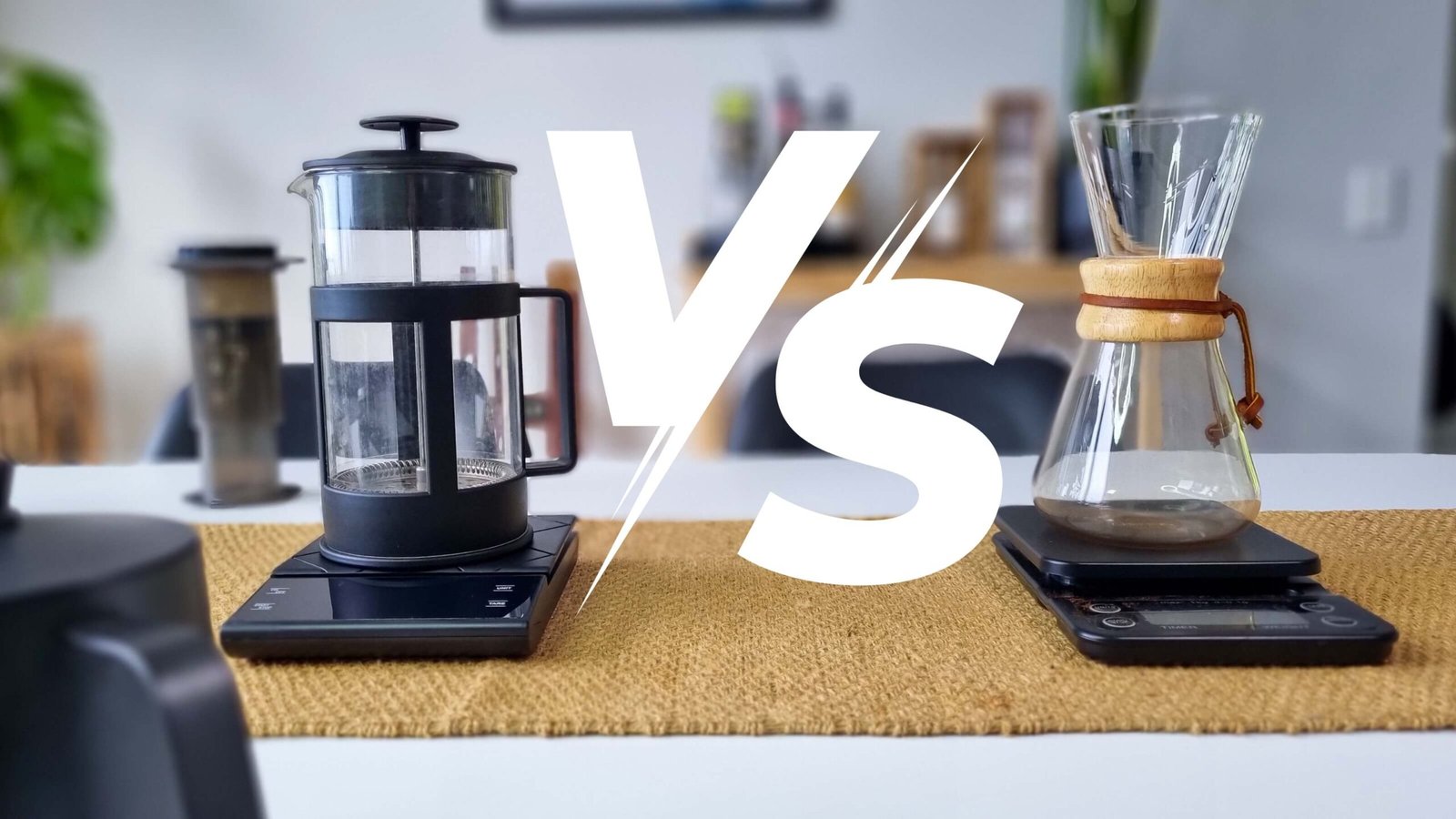
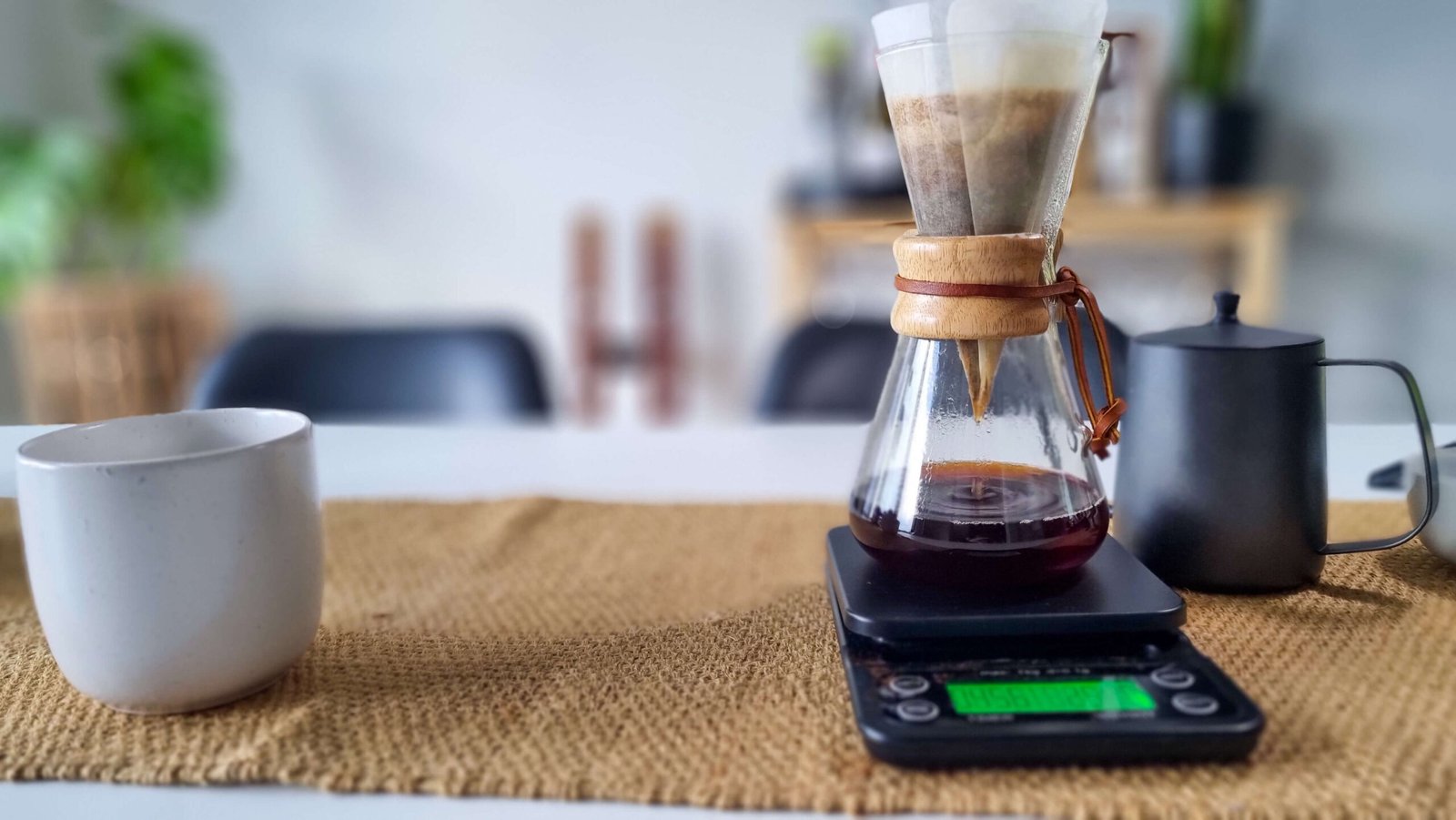
The Chemex is both a brewing device and a piece of art. Its thick paper filters remove oils and sediment, resulting in a clean, smooth cup that’s perfect for showcasing delicate flavor profiles.

What is Immersion Coffee?
Immersion coffee involves steeping coffee grounds in water for an extended period. This method allows for full extraction, resulting in a rich, full-bodied cup. It’s a more hands-on approach, perfect for those who enjoy a deeper connection with their brew.
Popular Immersion Coffee Techniques
1. Hario Immersion Switch
The Hario Immersion Switch offers a hybrid approach, combining the clarity of pour-over with the depth of immersion brewing. It features a valve that controls the flow of coffee, allowing for precise extraction.
2. Aeropress
The Aeropress is a versatile, portable device that can brew both full cups of coffee and espresso-like shots. It uses air pressure to force water through the grounds, resulting in a smooth, clean cup. So this method can fall into a grey area sometimes. We will look past it for now and treat it as only immersion as the coffee sits in the water for 2min+, usually.
3. French Press
The French Press is a classic immersion method. It consists of a cylindrical glass or stainless steel container with a plunger and a metal or nylon mesh filter. This method produces a rich, robust cup with a thick mouthfeel.
Filter Coffee vs. Immersion Coffee: The Key Differences
Choosing between filter coffee and immersion coffee can be a delightful challenge. Let’s explore the main differences to help you decide which method suits your taste.
1. Brew Time and Process
- Filter Coffee: Typically takes around 3-5 minutes, depending on the method. It’s a quick process that involves pouring water over the grounds and letting gravity do the rest.
- Immersion Coffee: Generally requires 4-10 minutes, as the grounds steep in water. This allows for a more hands-on approach, where you can control the steeping time and stirring.
2. Flavor Profile
- Filter Coffee: Known for its clean, bright flavors. The paper filters used in methods like Chemex and Hario V60 remove oils and sediment, resulting in a crisp, clear cup.
- Immersion Coffee: Produces a fuller-bodied brew with a richer mouthfeel. The prolonged contact between water and coffee grounds allows for more extraction, creating a robust and complex flavor.
3. Ease of Use
- Filter Coffee: Generally requires more precision and technique, especially with methods like the Hario V60, where pour control is crucial.
- Immersion Coffee: Often simpler and more forgiving. The French Press, for instance, is straightforward—just steep and plunge.

The Pros and Cons of Filter Coffee
Pros
- Clarity and Brightness: The clean extraction process highlights the delicate flavors of the beans.
- Low in Sediment: The use of paper filters eliminates most sediments, resulting in a smoother cup.
- Versatility: You can experiment with different pouring techniques and grind sizes.
Cons
- More Equipment Needed: Requires filters and often a special dripper.
- Potential for Over-extraction: Incorrect pouring technique can lead to over-extraction and bitterness.
- Less Body: Compared to immersion methods, the cup may lack body and depth.
The Pros and Cons of Immersion Coffee
Pros
- Rich and Full-Bodied: The extended brew time and contact with water extract more oils and compounds.
- Simple and Accessible: Methods like the French Press are easy to use, even for beginners.
- No Need for Paper Filters: Metal filters in devices like the French Press allow for more oils to pass through, enhancing the flavor.
Cons
- Sediment in the Cup: Fine grounds can pass through metal filters, leaving some sediment. Note: If you are using a paper filter you will remove the sediment.
- Less Clarity: The fuller extraction can sometimes mask subtle flavor notes.
- More Cleanup: Immersion devices often require more thorough cleaning.
Choosing the Right Coffee Brewing Method for You
Deciding between filter coffee and immersion coffee boils down to personal preference. Do you enjoy a bright, clean cup with intricate flavors? Or do you prefer a rich, full-bodied brew that lingers on the palate? Your taste buds and lifestyle will guide your choice.
Pairing Coffee Beans with Brewing Methods
Different brewing methods can accentuate specific coffee beans. For example, a light roast with fruity notes shines in a pour-over, while a dark roast’s bold flavors are perfect for immersion brewing. Experimenting with various beans and methods can lead to delightful discoveries.
The Importance of Coffee Grind Size
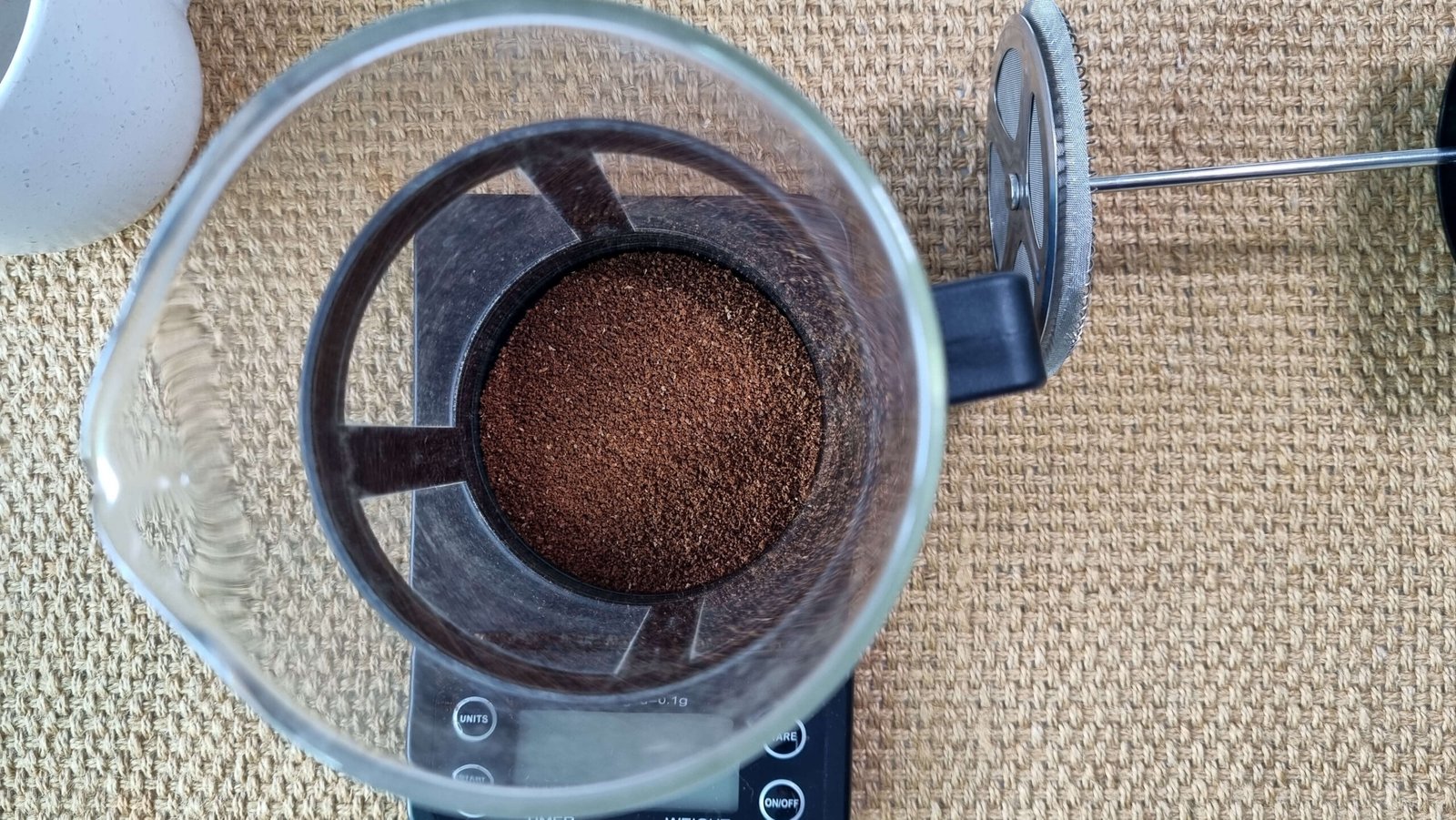
Grind size is crucial in coffee brewing. For filter coffee, a medium grind is typically used, while immersion coffee often requires a coarser grind. The grind size affects extraction time and, ultimately, the flavor of your coffee. These differences can be very subtle and also vary between different beans.
Water Temperature and Coffee Brewing
Water temperature plays a significant role in coffee extraction. For filter coffee, a temperature range of 195-205°F (90-96°C) is ideal. For immersion coffee, slightly cooler water may prevent over-extraction, especially for longer steeping times.
The Art of Pouring
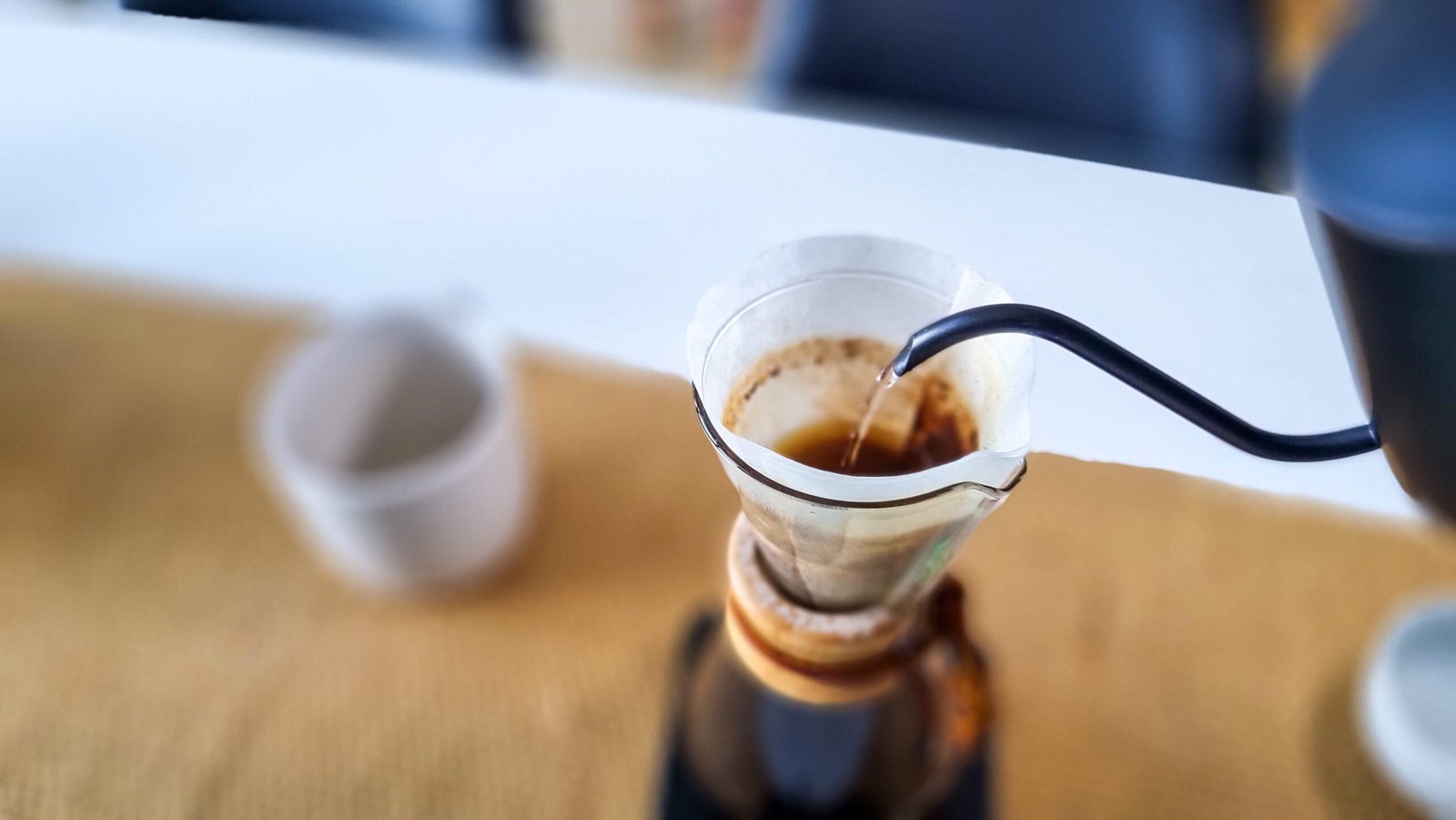
In filter coffee, the pouring technique can significantly influence the final cup. A slow, circular pour in methods like the Hario V60 ensures even saturation and extraction. In immersion coffee, the pour isn’t as critical, but proper stirring in the beginning can enhance extraction.
Lastly: Timing and Understanding the Basic Chemical Reaction in Your Brew.
Immersion Brewing (2min / 4min / 10min)
Allowing water to interact with the grounds over a set period. Here’s what happens at different times:
- 2 Minutes:
- Initial Extraction: Early in the brewing process, soluble compounds like acids (which contribute to brightness and acidity) and small amounts of caffeine are quickly dissolved. These are generally more water-soluble and extract faster.
- Flavor Profile: The coffee may taste lighter and more acidic, with less body.
- 4 Minutes:
- Intermediate Extraction: After the initial burst of extraction, sugars and other flavor compounds (like chlorogenic acids) begin to dissolve. The balance between acidity and sweetness starts to form.
- Flavor Profile: The coffee gains more complexity, with a balance of acidity and sweetness. The body starts to develop, offering a more rounded cup.
- 10 Minutes:
- Late Extraction: Prolonged immersion allows for the extraction of more complex sugars, melanoidins (responsible for body and texture), and bitter compounds like quinic acid. Tannins and polyphenols, which can contribute to bitterness and astringency, are also extracted.
- Flavor Profile: The coffee becomes more full-bodied and complex but can also become bitter and overly astringent if over-extracted.
Filter Brewing (Continuous Hot Water Passing Through Coffee)
In filter methods, such as pour-over, hot water is continuously poured over the coffee grounds, passing through them and into a vessel below. Here’s how the extraction process differs:
- Controlled Extraction: FIlter offers more control over the extraction process because the water continuously flows through the coffee grounds. The contact time between water and grounds is relatively short, but more consistent compared to immersion.
- Sequential Extraction: As water passes through, it first extracts the most soluble compounds (acids and caffeine), followed by sugars and other flavor compounds. Since the water is moving, the extraction of bitter compounds is more limited compared to prolonged immersion.
Comparing Chemical Extraction
- Acids: Extract quickly in both methods but are more pronounced in filter coffee due to the shorter contact time.
- Sugars: Extract in the mid-phase; provide sweetness and complexity. In filter coffee, this phase is often optimized for balance.
- Bitterness and Astringency: More prominent in long immersion times. In filter coffee, these compounds are less likely to be extracted in high concentrations because the water isn’t in contact with the grounds for as long.
In the End
Both filter coffee and immersion coffee offer unique brewing experiences and flavor profiles. Whether you prefer the clean, bright notes of a pour-over or the rich, full-bodied taste of a French Press, there’s a method for every coffee lover. Experimenting with different techniques and beans can help you discover your perfect cup.
In the end, the best coffee brewing method is the one that you enjoy or feel like on the day. So, grab your favorite beans, pick a method, and start brewing! All I want you to say at the end of it is “Had coffee. Good day.”
FAQs
- What’s the main difference between filter coffee and immersion coffee?
- Filter coffee involves passing water through coffee grounds, while immersion coffee steeps grounds in water for a longer period.
- Which brewing method is best for beginners?
- The French Press is simple and forgiving, making it great for beginners. Pour-over methods require more precision but are rewarding.
- Can I use the same grind size for both methods?
- No, filter coffee typically requires a medium grind, while immersion methods like the French Press use a coarser grind.
- Does the type of filter affect the taste?
- Yes, paper filters remove more oils, resulting in a cleaner taste, while metal filters allow oils through, enhancing body and richness.
- Should I clean my equipment after every use?
- It is recommended. It is essential for consistent brewing. Filters and vessels need thorough rinsing and occasional deep cleaning to remove oils and residue.