The Rise of the Home Baristas: A Brewing Revolution
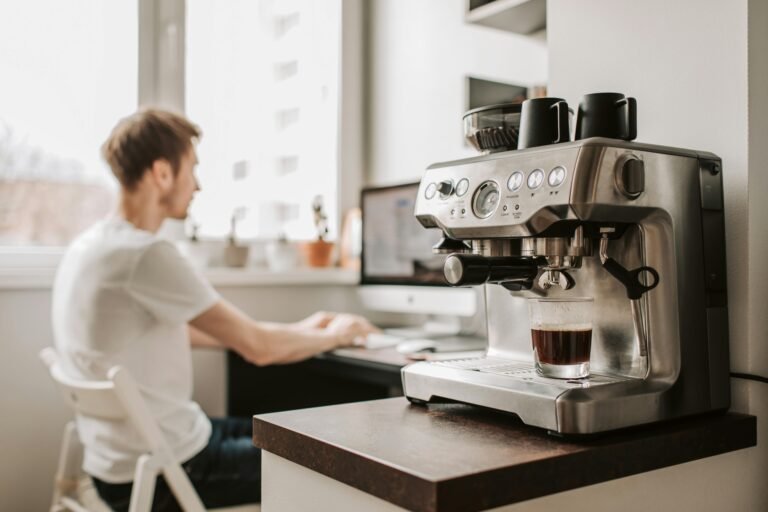
Let’s be honest—there’s something magical about walking into a coffee shop. The smell of freshly ground beans, the hum of conversation, the hiss of steam from the espresso machine. But nowadays, many coffee lovers are bringing that magic home. And how can we blame them. The price of a latte or flat white starts to add up if you’re a regular in the café.
With home espresso machines more accessible than ever, it’s no surprise people are skipping the café line. But is this rising wave of home baristas slowly killing off our favorite coffee shops?
A Brief History of Espresso: From Luxury to Living Room
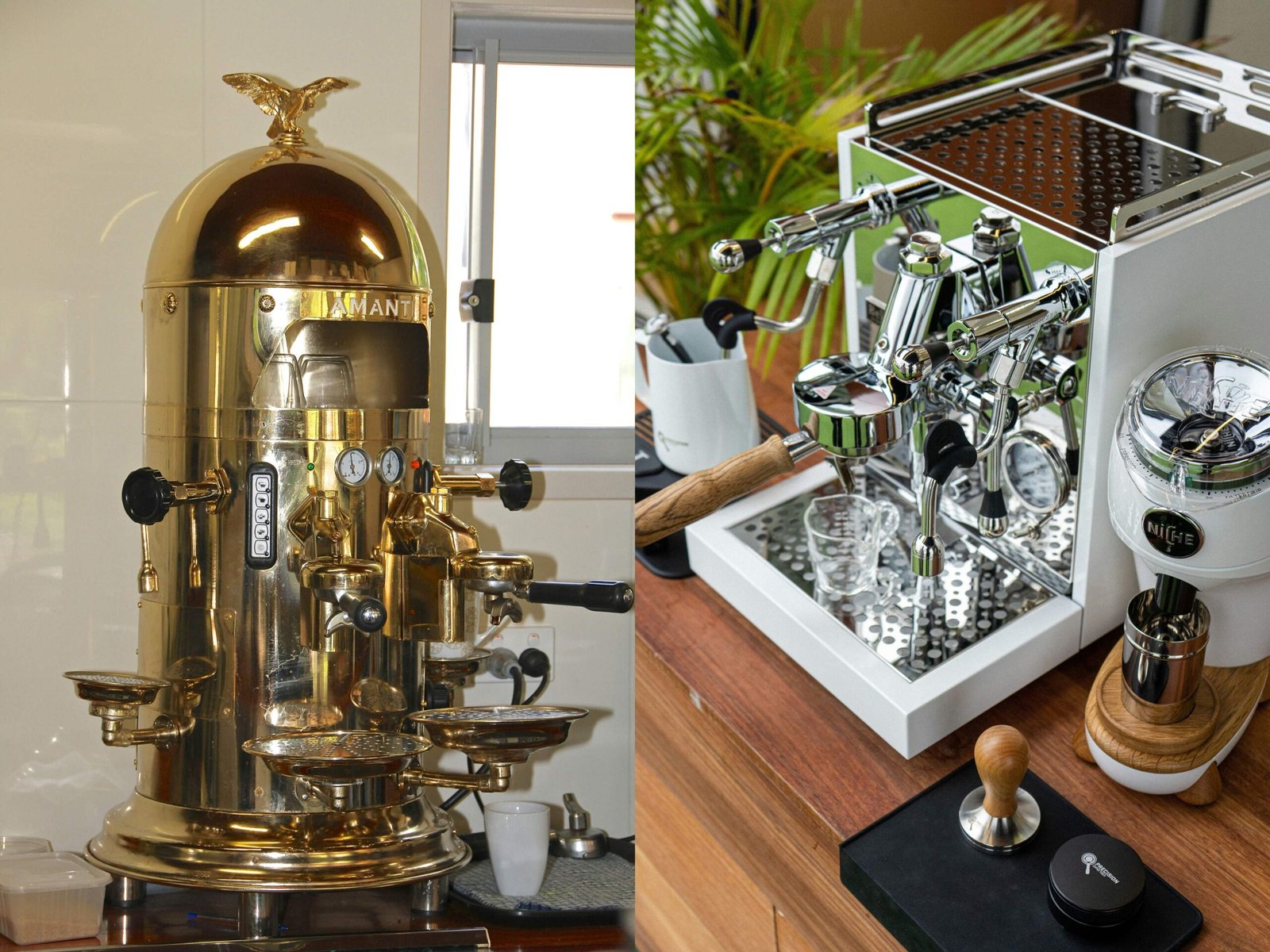
To understand this shift, we have to rewind. The first espresso machine was patented way back in 1884 by Angelo Moriondo. But don’t picture your sleek countertop machine just yet—his design was bulky and far from what we’d recognize today.
It wasn’t until the mid-1940s that espresso machines evolved enough to generate the water pressure needed to create that creamy, rich crema on top of the espresso. Even then, it took another decade before they found their way into homes. And they were expensive to make — so only the wealthy could afford them.
Fast forward to today, and espresso machines come in all shapes, sizes, and price points, from the budget-friendly beginner models to prosumer machines that rival your neighborhood café setup.
From Complicated to Convenient: Coffee Capsules Changed the Game
Owning an espresso machine used to be intimidating. There’s pressure profiling, grind size, tamping… the list goes on. The amount of time and practice it took to make a half decent coffee became too much. So many people preferred leaving it to the professionals. Then came the capsule revolution—cue the famous Nespresso.
With just the push of a button, you could have a café-style drink in your kitchen. Easy, fast, and (mostly) tasty. Suddenly, you didn’t need barista skills or a degree in coffee chemistry to enjoy espresso at home.
… but, and it’s a big ‘but’. If you have had a good coffee from a specialty café, you will know that the pods can’t compete. This becomes a whole other debate. Whether your opinion of them is good or bad, they are different.
How Many Are Really Brewing at Home? The Surprising Stats
Let’s talk numbers. Around 90% of Americans own a coffee maker, and roughly half of those own pod-based systems. That’s huge. But here’s the twist—only 43% of those owners use their machines daily.
So, where are the rest getting their caffeine fix? Probably from the same place they always have—local cafés.
This tells us something important: owning a coffee machine doesn’t automatically mean you’ve ditched the café habit. There’s more at play here.
Is Café Culture Under Threat? Not Quite
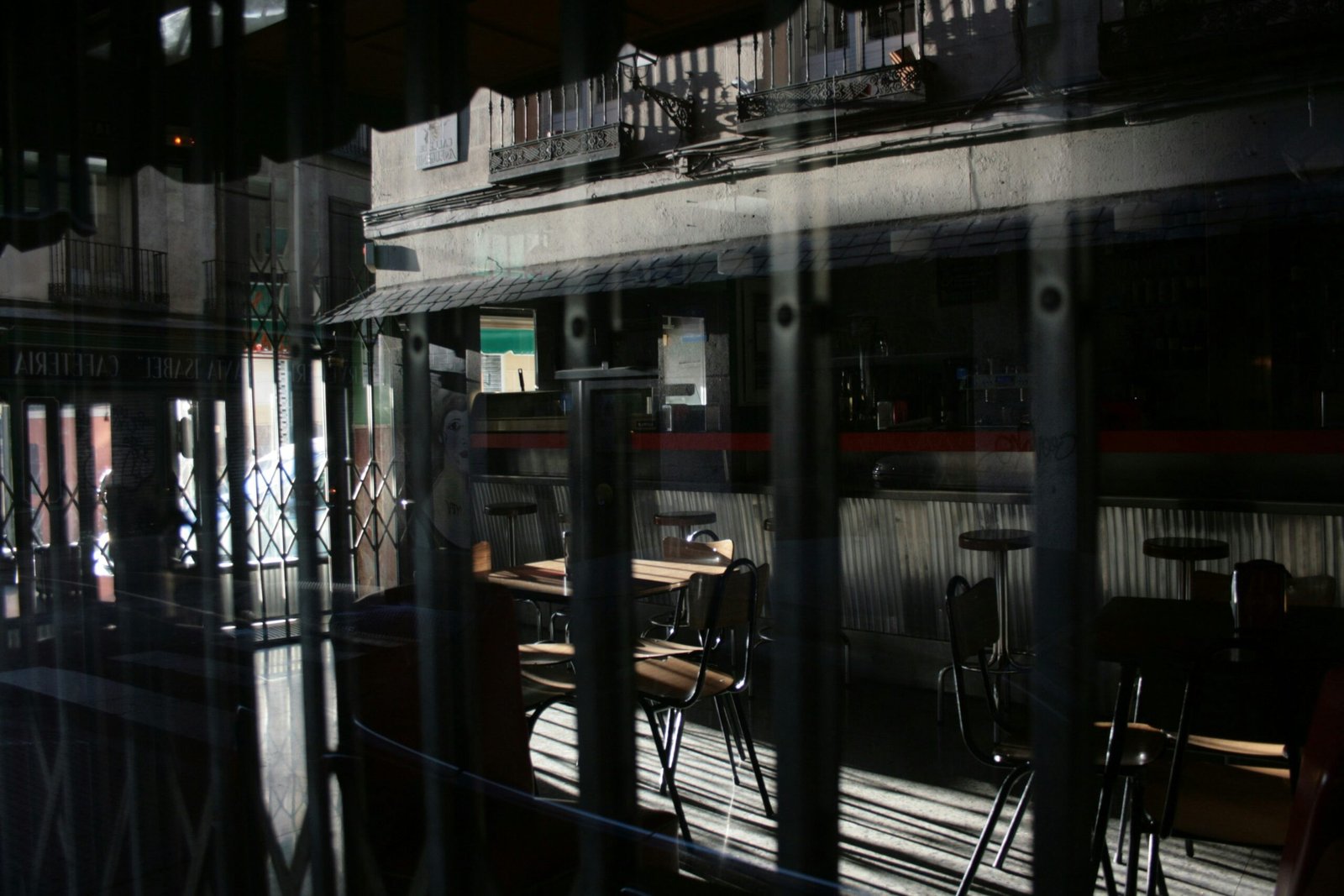
Sure, more people are experimenting with home brewing. The rise of the home barista movement is undeniable. Social media is flooded with espresso puck shots, latte art attempts, and grinder comparisons.
But if cafés were “dying”, why are so many of them still thriving?
Because there’s a big difference between brewing coffee and brewing great coffee. If jumping into espresso feels a bit overwhelming or pricey right now, that’s totally okay—starting with some simple filter coffee options can be a great way to begin your coffee journey.
Mastering espresso at home takes time, practice, and patience. You need to invest in the gear (espresso machine, grinder, scale, beans), learn how to dial in the grind, adjust your brew ratio daily, and perfect your tamp. For some, this process is thrilling. For others, it’s just too much. And as someone who likes to make coffee at home, it takes time. My wife will joke that she needs an instant coffee while she waits for me to make a ‘proper’ coffee. Now that I think about it, is she joking…?
From Hobby to Habit: Why We Still Flock to Cafés
Let’s be honest—sometimes you just want to grab a coffee without fuss. That’s where cafés still shine.
Cafés offer variety, expertise, and convenience. One day you want a flat white, the next a pour-over from Kenya. Want to try beans from Ethiopia, Guatemala, or Colombia? A great café rotates its offerings so you don’t have to commit to a whole bag of beans just to try something new.
Some of the best cafés even sell the very gear you’d need to recreate their drinks at home. Sounds like self-sabotage? Not really. It’s smart business—they know many people love the idea of brewing at home, but only a few stick with it long-term. Once people see how much effort it takes to make a good coffee, they are usually happy to pay for the service.
Brewing at Home: A Journey, Not a Shortcut
Make no mistake—becoming the journey of skilled home baristas is an incredibly rewarding one. You’ll learn how different beans affect flavor, how grind size can make or break a shot, and how temperature changes extraction.
But here’s the trade-off: it’s time-consuming and often frustrating. Like learning a musical instrument, it takes practice to pull that perfect shot. Not to mention the cost—good gear isn’t cheap. And if you do go cheap, the frustration and learning curve are even higher.
Still, for the passionate, the process becomes part of the pleasure. It’s less about replacing your local café and more about understanding and appreciating coffee on a deeper level. This may not be relatable to everyone, but there are days that I love the process of making the coffee more than actually drinking it.
So, Are Cafés Hurting Themselves by Encouraging Home Brewing?
Here’s a paradox: many cafés now sell the same beans, brewers, and gear they use behind the counter. You can walk in, sip a perfectly crafted espresso, and leave with the tools to try replicating it at home.
Is this cannibalism? Maybe on the surface.
But in reality, it’s smart branding. These cafés are betting on two things:
- Most people won’t stick with home brewing long-term.
- Even if they do, they’ll still visit for the community, the ambiance, and the occasional treat.
Instead of losing customers, they’re expanding their role—from a drink stop to a coffee education hub.
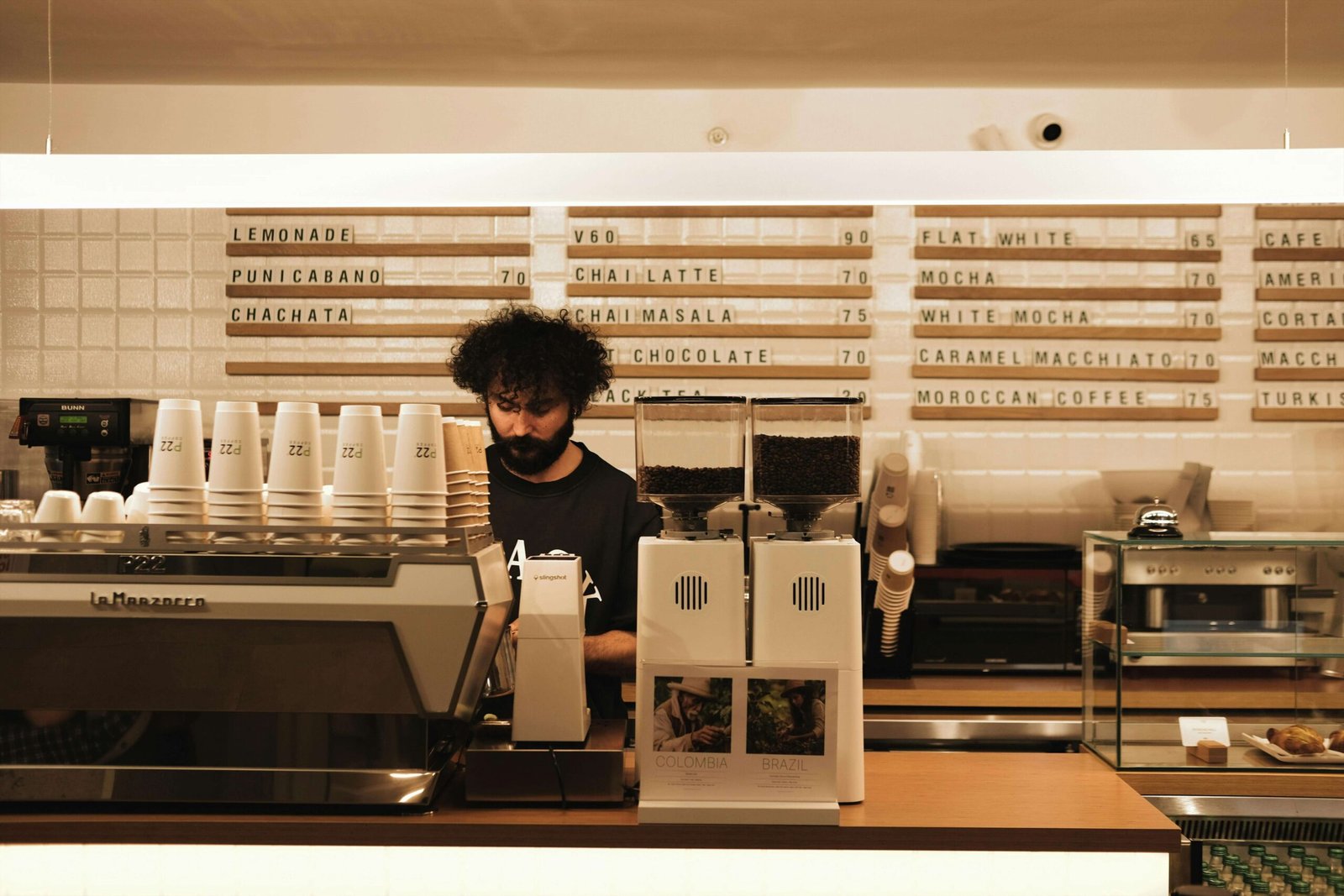
What Makes a Café Worth Visiting This Year?
Not all cafés are created equal. Want to know if your local shop is worth your money? Look for signs of a serious coffee program:
- Multiple grinders with different beans – 3+ is excellent. House Blend, Decaf, and Single Origin options
- Monthly bean rotations or different single-origin offerings
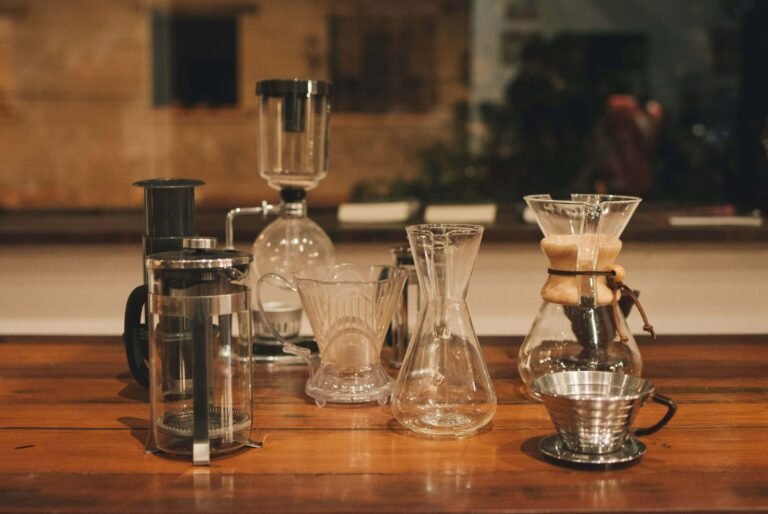
- A variety of brew methods (pour-over, batch brew, AeroPress) not just espresso
- Knowledgeable baristas who can talk coffee without sounding pretentious
If your local café isn’t doing this and you’re into great coffee, shop around. There are hidden gems out there waiting to blow your mind (and taste buds).
This isn’t to say that a small cart that does only espresso-based drinks can’t be good. I always say use your judgment and drink the coffee you like.
So… Are Home Baristas Killing Cafés?
In a word: No.
They’re reshaping them, not replacing them.
Home espresso machines and manual brewers have opened the door to a deeper appreciation for coffee. But cafés still offer consistency, variety, and experience. The best ones are evolving, not folding.
Final Sip: A Harmonious Coexistence
The future isn’t about one replacing the other. It’s about choice.
Some days, you’ll want to geek out with your grinder and scales at home. Other days, you’ll want someone else to do the work while you relax with a perfect pour and maybe a pastry.
Instead of killing cafés, home baristas might be making them better—forcing them to innovate, improve, and cater to a more informed customer.
In the end, that’s a win for everyone who loves coffee.
FAQs: Are Home Baristas Killing Cafés?
1. Why are more people brewing coffee at home now?
Because home espresso machines are more affordable and easier to use than ever. With capsule systems and beginner gear, it’s never been simpler to make coffee at home.
2. Will cafés go out of business because of home baristas?
Unlikely. While home brewing is on the rise, most people still rely on cafés for convenience, variety, and expertise. Good cafés offer an experience that’s hard to match at home.
3. What’s the biggest challenge of home baristas?
The learning curve. It takes time, effort, and money to master espresso at home. From dialing in your grinder to pulling a consistent shot, it’s a skill that requires practice.
4. Are home espresso machines worth the investment?
If you love coffee and enjoy the process, absolutely. A good machine and grinder can pay off over time compared to daily café visits—but only if you use them consistently.
5. How can I tell if a café is serious about coffee?
Look for multiple grinders, single-origin beans, rotating menus, and baristas who are happy to talk shop. If they offer different brew methods and origins, you’re in the right place.